

Premium Cocktail Cans Delivered Fast for Your Next Party
Cocktail cans are the undisputed shortcut to bar-quality drinks anywhere you damn well please. Every sealed can locks in freshly mixed ingredients and carbonation, so you just chill, crack, and pour over ice for an instant, flawless serve. Skip the shaker, the measuring, and the mess—one pull of the tab hands you a perfectly balanced cocktail with zero skill required. Whether you’re at a picnic, a rooftop, or a camping trip, your premium cocktail is always ready when you Espresso Martini cocktail cans are.
What Exactly Is a Ready-to-Drink Cocktail in a Can?
A ready-to-drink cocktail in a can is a pre-mixed, fully finished beverage where the spirits, modifiers, and dilution are already balanced for immediate consumption. Unlike a DIY mixer, the cocktail cans contain the complete recipe—including the base liquor, juices, bitters, and sweeteners—sealed with carbonation if that is part of the drink’s profile. The key practical advantage is the lack of any need for shaking, stirring, or measuring; you simply chill the can and pour or drink directly. For expert use, always check the can’s ABV and serving volume, because a true RTD replicates a bar pour, typically 5–6% ABV for highballs or 12–15% for spirit-forward recipes, ensuring the flavor intensity matches a freshly made cocktail rather than a diluted mixer.
How canned cocktails differ from hard seltzers and mixers
Canned cocktails are pre-mixed, spirit-based drinks, while hard seltzers are typically fermented sugar water with a light fruit flavor and lower ABV. Mixers, conversely, are unfermented, non-alcoholic components meant for combination with your own liquor. The defining difference lies in the base: a canned cocktail uses a distilled spirit (vodka, rum, or whiskey) as its primary alcohol, delivering a fuller body and complex flavor profile that mimics a bartender’s pour. Hard seltzers rely on a neutral alcohol base providing a crisp, watery finish, whereas mixers require you to supply the spirit. This means canned cocktails offer immediate, balanced complexity—spirit-forward sweetness, acidity, and botanicals—without the need for extra ingredients, unlike mixers which demand effort. Canned cocktails versus hard seltzers and mixers hinges on whether the spirit is integrated or absent.
In short, canned cocktails contain the spirit; hard seltzers are alcohol-water flavorings; mixers are alcohol-free building blocks.

The alcohol-by-volume range you can expect in a standard can

Most canned cocktails land between 5% and 15% alcohol by volume, depending on the style. A standard 12-ounce can mimics a beer or hard seltzer at around 5–7% ABV, perfect for easy sipping. Spirits-based mixes like a margarita or negroni often sit higher, typically 10–15% ABV, because the liquor isn’t diluted as much. Here’s what to check:
- Look for the ABV on the side or bottom of the can—it’s legally required.
- Compare the serving size: a 250ml can at 12% equals roughly 1.5 standard drinks.
- Remember that “ready-to-drink” doesn’t mean weak—always pace yourself.
The sweet spot for most casual drinkers is 6–8% ABV, giving you flavor without a fast buzz.
Why Choose Canned Cocktails Over Mixing at Home?
Canned cocktails offer unmatched convenience for anyone who craves a perfect drink without the prep. Mixing at home demands buying multiple bottles, fresh citrus, and specialty syrups that often go to waste, not to mention the time spent measuring and shaking. A can delivers a professionally balanced recipe instantly—no guesswork, no sink full of sticky tools, and no need to stock a full bar. Crucially, the sealed environment preserves carbonation and flavor integrity, giving you a crisp, consistent sip every single time, even at a picnic or after a hike. While homemade cocktails allow customization, they rarely match the batch-tested precision of a canned version, which ensures you get the intended taste from first pour to last drop, without the cleanup or ingredient expense. Choose the can for pure, portable pleasure.
Convenience factors: no shaking, straining, or juicing required
Canned cocktails eliminate the entire preparatory apparatus of home mixology. With no shaking, straining, or juicing required, you bypass the physical labor of muddling citrus, measuring syrups, and managing a Boston shaker, which directly reduces both setup and cleanup time to near zero. This zero-preparation convenience is particularly valuable for high-frequency consumption scenarios like picnics or after-work relaxation, where the friction of extracting lime juice or tempering an egg white foam would otherwise deter preparation. The sealed can also removes the need for fine-mesh strainers to catch pulp or ice shards—the product is already homogenized and chilled. Consequently, the sole remaining action is opening the tab, making the barrier to enjoying a balanced cocktail almost nonexistent.
Portion control and single-serve packaging benefits
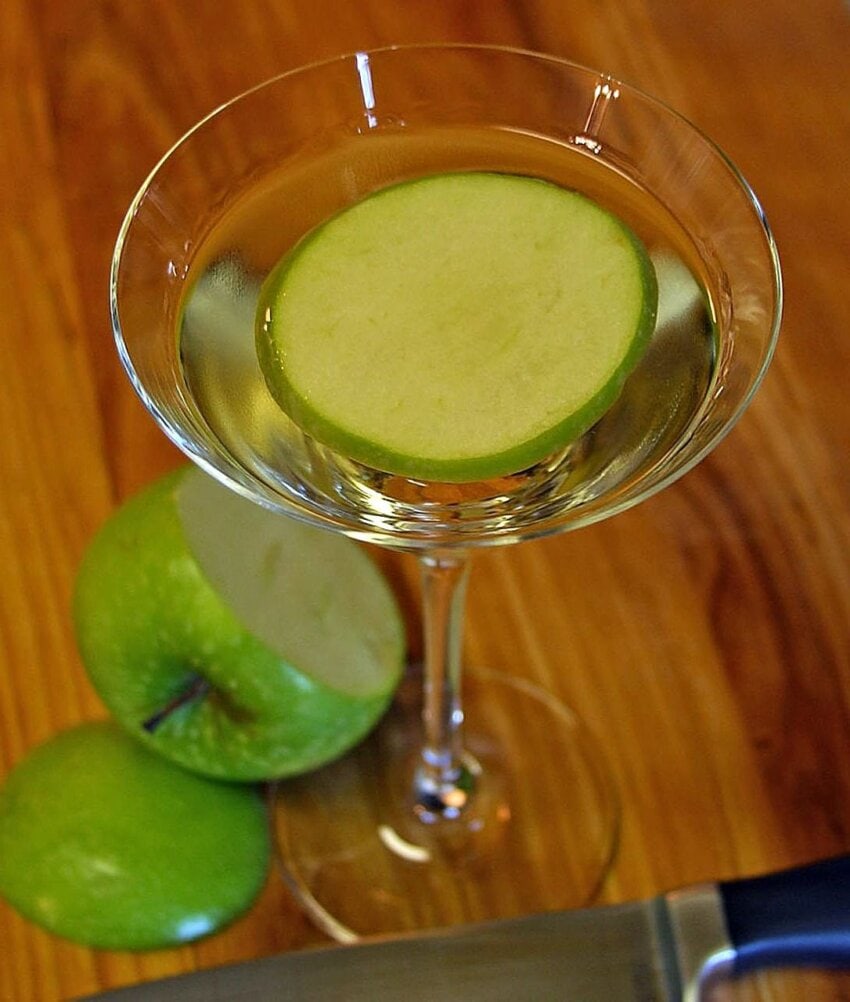
Canned cocktails make portion control effortless—no more guessing “one more pour” when you’re relaxing at home. Each can is a **perfectly measured single serving**, so you know exactly how much alcohol you’re consuming, which helps you pace yourself and avoid over-pouring. The single-serve packaging also means zero leftover mixers going flat or oxidizing in your fridge. Just grab a can, enjoy it, and recycle the empty—no sticky measuring jiggers or half-used bottles cluttering your counter. Plus, they’re ideal for portioning out a fun evening:
- Start with one can, and wait before deciding on a second.
- Check the ABV on the label to stay within your intended limit.
- Stop whenever you’re satisfied, with no open bottle tempting you to finish it.
That built-in limit keeps every session tidy and guilt-free.
How to Pick the Best Canned Cocktail for Your Taste
To pick the best canned cocktail for your taste, start by checking the ABV and the base spirit—gin cans lean botanical and crisp, while rum or tequila versions bring sweetness or earthiness. Scan the ingredient list for real citrus or fruit purée versus artificial flavors, since that dictates freshness. Your palate’s sweet spot determines the style: if you prefer tart and dry, choose a spritz or margarita with lime-forward notes; for a sweeter sip, look for piña coladas or daiquiris with added sugar. Also, consider carbonation level—some cans are lightly fizzy, others heavily sparkling, which changes mouthfeel.
A quick rule: the shorter the ingredient list, the closer the taste will be to a freshly shaken drink.
Finally, buy singles first to sample three or four brands, then stick with the one whose finish—bitter, fruity, or herbal—you actually crave again.
Classic options vs. modern flavor experiments: what to look for
When scanning the shelf, decide if you’re craving a reliable benchmark or a wildcard. Classic options—think gin and tonic, margarita, or an old fashioned—should taste like a competent bartender made them, with recognizable spirit character and balanced sweetness, not syrupy shortcuts. For modern flavor experiments, look for unexpected pairings like prickly pear mezcal or yuzu vodka soda, but check the label for real juice or botanicals instead of artificial “mystery” notes. Ask yourself: does the novel twist enhance the base spirit, or hide a harsh alcohol burn? The best rule is to trust your baseline preference, then use a single experimental can as a fun supplement. Classic options vs. modern flavor experiments comes down to mood, not superiority. Q: What should I look for in a classic canned cocktail? A: A short ingredient list, a named base spirit, and a finish that doesn’t taste cloying or overly watery.
Key ingredient cues that signal high quality—real juice, premium spirits, or natural sweeteners
Scan the ingredient list for real juice listed as a specific fruit (e.g., “blood orange juice”) rather than “flavor” or “concentrate.” Premium spirits are signaled by the named base—gin, tequila, or bourbon—appearing without vague “malt beverage” substitutes. Natural sweeteners like honey, agave, or cane sugar indicate balance, while “high fructose corn syrup” or “sucralose” are red flags. Also, check the percentage of juice on the label; anything under 5% is likely artificial. A shorter list, with recognizable whole ingredients, is the most reliable cue that the can mirrors craft-bar quality.
- Look for “juice” with a fruit name, not “flavorings.”
- Confirm the spirit type is stated outright, not “vodka with natural flavors.”
- Avoid artificial sweeteners; prefer agave, honey, or cane sugar.
- Check that juice percentage is clearly printed and significant.
Carbonated vs. still canned drinks: which suits your occasion
Choosing between fizz and stillness comes down to the moment. Carbonated canned cocktails—think gin and tonic or a citrusy spritz—bring a lively, refreshing bite that cuts through heat, making them perfect for poolside afternoons or backyard grilling. Their bubbles also mimic the ritual of a freshly poured drink, ideal for social sipping. Still canned cocktails, like a smoky old fashioned or a creamy espresso martini, feel smoother and richer, suited for slow evenings, dessert pairings, or when you want the spirit’s depth to shine without distraction. Match the fizz to energetic settings and the calm to relaxed, intimate ones.
Practical Tips for Serving and Enjoying Canned Cocktails
To truly elevate a canned cocktail, start by serving it ice-cold, but never dilute it; pour the contents over a large single ice cube or sphere in a chilled rocks glass to preserve the intended flavor profile. For effervescent varieties, tilt the glass and pour slowly down the side to retain carbonation. Always garnish strategically—a fresh expressed citrus peel or a single herb sprig instantly mimics a bar-crafted feel, masking the can’s metallic notes. Before drinking, swirl the can gently to re-integrate any settled botanicals or fruit pulp.
Serve temperature matters more than vessel: chilling the can to 38°F–40°F masks harsh alcohol heat, then let it sit 60 seconds after pouring for aromatics to bloom.
Finally, never sip straight from the can—that locks in the aluminum taste and loses the nose; decanting is non-negotiable for a premium experience.
Should you pour over ice or drink straight from the can?
For canned cocktails, the pour-versus-straight decision hinges on texture and dilution. Drinking from the can preserves the bartender’s intended carbonation and proof, but the narrow opening funnels liquid onto your tongue, muting aromatic complexity. Pouring over fresh ice unlocks **optimal flavor integration** by slightly melting, which softens harsh alcohol edges and releases volatile aromatics—especially vital for stirred drinks like Negronis. However, high-ABV or creamy cocktails can turn watery fast. Follow this sequence: chill the can upright for 30 minutes; open and pour gently down the side of a rocks glass filled with one large cube; taste immediately, then adjust with a splash of soda if over-diluted. For delicate, low-proof spritzes, skip ice entirely and sip from the can to retain its crisp, uncut profile.
Chilling times and temperature tricks for optimal flavor
For canned cocktails, temperature directly dictates flavor perception, so precision matters. A standard 12-ounce can dropped into a 50/50 ice-water bath hits an ideal 38°F in roughly 12 minutes—versus 45 minutes in a fridge, which risks dulling citrus notes. Avoid over-chilling beyond 34°F, as cold numbs sweetness and amplifies alcohol burn. If time is short, wrap the can in a wet paper towel and freeze for 8–10 minutes, but never forget it. Once opened, transfer to a pre-chilled glass to maintain carbonation and aroma; never pour over warm ice, as dilution accelerates off-flavors.
Garnishes that elevate a canned drink into something special
A flat can opens the door, but a good garnish makes it an event. A fresh citrus wheel or a twisted peel instantly brightens the flavor profile and adds that bar-crafted aroma. Drop in a few frozen berries instead of plain ice to chill without watering things down, or add a sprig of mint for a refreshing scent with every sip. These touches turn a quick pour into a moment worth savoring. Simple garnishes transform canned cocktails into personalized drinks that feel intentional and festive.
- Use a dehydrated citrus wheel for a long-lasting, visually striking pop of color.
- Salt or sugar the rim of the glass before pouring from the can for a classic upgrade.
- A skewered cherry or olive adds a savory, cocktail-bar finish.
- Add a single cinnamon stick or star anise for a warm, aromatic twist.
Common Mistakes People Make With Canned Cocktails
The most common mistake is drinking a canned cocktail directly from the can, which traps volatile aromatics and masks the nuanced flavors meant to be appreciated from a glass. People also skip shaking or stirring the can before opening, forgetting that ingredients like fruit juice and spices settle, leading to a first sip that’s watery and a last sip that’s overly sweet. Another frequent error is serving it over the wrong ice—oversized cubes melt too slowly, leaving the drink unbalanced, while crushed ice dilutes it rapidly. Finally, many assume the canned version is a final product, but it benefits from a fresh garnish or a citrus twist to revive its profile. Treating a canned cocktail like a beer—rather than a pre-batched drink—is the core failure.
Always pour it over fresh ice and garnish to bridge the gap between convenience and craft quality.
Overlooking the fine-print ABV and sugar content on the label

Overlooking the fine-print ABV and sugar content on the label is a frequent slip that skews both your buzz and your diet. Many canned cocktails list a deceptively modest ABV—often 5–7%—while a single 12-ounce can can pack 20+ grams of sugar, rivaling soda. This disconnect matters because you might drink two cans expecting one drink’s effect, then hit a stronger-than-anticipated impairment. Similarly, hidden sugar spikes blood glucose and adds empty calories, undercutting any “light” impression. Always read the nutrition panel and ABV line before pouring.
Reading the full label’s ABV and sugar line prevents accidental overconsumption and dietary surprises.
**Q: Why does the fine-print ABV and sugar content change how much I should drink?**
A: A higher ABV per can means you absorb alcohol faster than expected, while high sugar masks the alcohol’s strength, leading you to pace poorly and overdrink without realizing it until it’s too late.
Storing cans incorrectly and ruining the fizz or botanicals
Storing cans incorrectly and ruining the fizz or botanicals is one of the quickest ways to sabotage a premium canned cocktail. Heat is the primary culprit: leaving cans in a hot car or direct sunlight accelerates carbonation loss, leaving the drink flat, while also degrading delicate botanical oils into bitter, dull flavors. Freezing is equally destructive, as expansion can crack the seal, killing the fizz completely, and once thawed, the liquid’s structure changes permanently. Always keep cans upright, because prolonged side-lay contact with the liner can leach metallic notes into the citrus or herbal profile. For peak freshness, chill cans—never ice-bath them overnight—and drink within a few months of purchase. Proper cool, upright storage preserves both carbonation and botanical integrity.
- Never store cans above 75°F—heat kills carbonation and vaporizes volatile botanicals.
- Avoid freezing; thawed cans lose fizz and gain a flat, watery mouthfeel.
- Keep cans upright to prevent liner interaction with acidic ingredients like citrus oils.
- Drink within 90 days of purchase, even if the “best by” date is further out.
Assuming all canned drinks are sweet—navigating dry, tart, and bitter profiles
Assuming every canned cocktail is sugary is the fastest way to misjudge a drink. Many cans lean dry, tart, or bitter, and that first sip can shock your palate if you expect a sweet punch. Look for clues like “brut,” “sour,” or “amaro” on the label—these signal a more astringent profile. Pair bitter cans with salty snacks to soften the edge, and let tart options breathe in a glass with ice before judging. Your taste buds adapt after two sips, so resist dumping a dry drink before you’ve given it a fair chance. If you’re used to sweet, begin with a semi-dry spritz to ease into the spectrum.
